

By MFJ Staff | Source: Payments Dive
Key takeaway: The DOJ’s antitrust case against Visa is still years from a verdict, but the discovery fight playing out now will shape whether merchants eventually see changes to debit interchange costs.
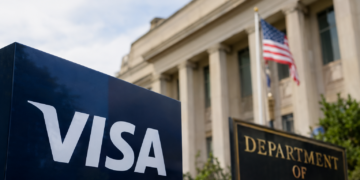
Visa has handed over more than 6 million documents to the Department of Justice in its debit card antitrust lawsuit, and a federal magistrate judge has extended the discovery deadline from October 16, 2026 to January 29, 2027.
Visa turned over the documents in response to roughly 200 document requests from the DOJ, according to Payments Dive. Magistrate Judge Sarah Cave of the U.S. District Court for the Southern District of New York granted the three-month extension after Visa told the court the parties would need additional time to complete fact discovery.
The DOJ sued Visa in September 2024, alleging the company built and maintains an illegal monopoly in the U.S. debit card market. Visa has denied the allegations. The case, along with related private lawsuits brought by merchants and cardholders, is not expected to reach trial before 2028.
Margaret Rogers, a partner at Arnold & Porter Kaye Scholer representing Visa, told the court Visa expects to complete its document reviews and produce all remaining documents by the end of September 2026. Michele Trichler, an attorney with the DOJ’s Antitrust Division, pointed to Visa having had four different CEOs over the 19 years covered by the lawsuit as a reason for the roughly 150 depositions still needed across the full case, saying, “The most important thing for us is to make sure there’s a process in place and get things scheduled.”
Why it matters for merchants: Visa’s debit interchange fees show up on nearly every card swipe merchants process, and a monopoly finding could eventually force changes to how those fees are set. The case remains years from resolution, and each extension pushes any potential relief further out, so merchants relying on chargeback and dispute tools today should not expect fee changes before 2028 at the earliest.
Source: Payments Dive
