

By MFJ Staff | Sources: Fox26 Houston, and PaymentsJournal
Key takeaway: These scams usually resolve as unauthorized-transaction claims against the card issuer rather than merchant chargebacks, but the underlying move, authorizing a small tap and then processing a much larger charge, is the same consent gap merchants are warned to watch for in disputed in-person sales.
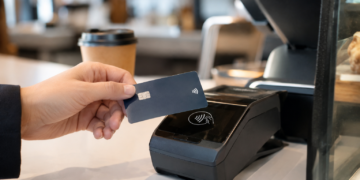
The Better Business Bureau has warned shoppers about a scam it calls ghost tapping. This is scammers use portable or fraudulent card readers to process a tap-to-pay charge for more than the amount the cardholder agreed to pay.
In one case the BBB cited, a Houston-area shopper’s mother was charged $537 after someone posing as a fundraiser for special needs students asked for a small tap-to-pay donation, according to Fox26 Houston. A second victim in the same case reported a $1,100 charge. The BBB said scammers also work crowds at festivals, train stations and markets, standing close enough to a tap-enabled card or phone to trigger a reading with a wireless device, or posing as a vendor and rushing a customer past the terminal screen before the real amount shows.
Recorded Future’s Insikt Group has identified organized networks that distribute the phones and software used to run ghost tapping schemes, along with recruitment posts on messaging platforms advertising stolen card data for resale, PaymentsJournal reported.
Not every tap-to-pay scare has held up against enforcement data. The Texas Financial Crimes Intelligence Center said in July 2025 it had no legitimate reports of a related scheme in which scammers supposedly place stickers over gas station tap-to-pay terminals to steal card data, despite the claim spreading widely on social media. FCIC Intelligence Operations Captain Jeff Roberts said there were no confirmed instances of the sticker scheme, and that the decals shown in viral posts were often ordinary replacement stickers for worn terminals.
Why it matters: Ghost tapping shows how little friction it takes to turn a shopper’s own contactless convenience against them, while the sticker-scheme finding is a reminder that not every viral fraud claim reflects a confirmed pattern of loss. Risk teams reviewing card-present dispute spikes should weigh which reports trace back to verified cases versus social media speculation before changing policy or terminal hardware.
Sources: Better Business Bureau, and PaymentsJournal