

By MFJ Staff | Sources: NYC Department of Consumer and Worker Protection, and Digital Transactions
Key takeaway: Merchants selling subscriptions to New York City consumers now face a binding, locally enforced cancellation standard, and businesses that treated the vacated FTC rule as the end of the issue should treat NYC’s rule, the state auto-renewal laws already on the books, and a possible future federal rule still working through early-stage FTC rulemaking, as the active and emerging compliance landscape.
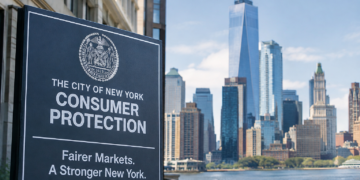
New York City’s new Click-to-Cancel rule became enforceable on October 1, 2026, requiring any business that sells subscriptions to city consumers to make cancellation as easy as sign-up, according to the city’s Department of Consumer and Worker Protection (DCWP).
DCWP calls it the first municipal rule of its kind in the country. Under the rule, companies must clearly disclose subscription terms, inform consumers of their cancellation rights, and let customers cancel using the same method they used to sign up, so a customer who subscribed online cannot be forced to call or appear in person to cancel. Businesses also cannot charge customers to ship back items they received for free.
Announcing the rule, Mayor Zohran Mamdani said, “If you can sign up with a click, you must be able to cancel with one.” Violations carry civil penalties starting at $525 and can require refunding affected consumers, and New Yorkers can file complaints directly with DCWP.
The rule arrives as Washington’s own version remains unsettled. The FTC’s click-to-cancel rule was vacated by the Eighth Circuit Court of Appeals in July 2025, days before it was due to take effect, after the court found the agency skipped a required regulatory analysis. The FTC restarted the process in 2026, issuing an advance notice of proposed rulemaking in March that closed its public comment period in April, but it has not yet proposed new rule text or set a timeline for one, leaving city and state measures as the main enforceable backstop against hard-to-cancel subscriptions for now.
Why it matters: For merchants and subscription platforms, the rule means checkout and billing flows serving NYC customers need a real self-service cancellation path, not a disclosure buried in the terms, and that obligation now stands on its own regardless of what happens to the federal rule. Businesses operating across multiple states should expect this patchwork of local cancellation requirements to keep expanding while the federal rule remains in an early rulemaking stage with no finalized text.
Sources: NYC Department of Consumer and Worker Protection; Digital Transactions