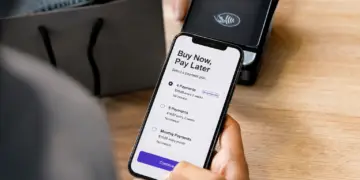


By MFJ Staff | Sources: PYMNTS, and Payments Dive
Key takeaway: If Oregon’s proposal moves forward, merchants shouldn’t assume a no-fee BNPL (Buy Now, Pay Later) option is automatically outside state lending-license rules, since structure, not cost to the consumer, is what regulators are looking at.
Oregon’s Division of Financial Regulation has proposed guidance that would require nonbank buy now, pay later providers and their service providers to hold a state lending license, applying existing payday-loan or consumer-finance rules to BNPL products for the first time in the state.
The Division of Financial Regulation’s proposed bulletin, detailed by PYMNTS on July 29, 2026, would route nonbank BNPL lenders through Oregon’s existing payday or consumer-finance licensing statutes via the Nationwide Multistate Licensing System, with the applicable license type depending on a loan’s repayment period. Notably, the requirement would apply even to interest-free, no-fee pay-in-four plans, the most common BNPL format at checkout, because it’s based on how the loan is structured, not what it costs the borrower.
Two industry groups have pushed back publicly. The Financial Technology Association argued that a typical 42-day pay-in-four loan falls outside Oregon’s consumer-finance definition, which the group says covers loans with terms longer than 60 days, and pointed to the state’s own 2023 guidance that excluded purchase-money loans from licensing requirements. The American Fintech Council raised a separate objection: that Oregon should adopt the change through formal rulemaking rather than agency bulletin guidance, and that any licensing requirement should target the entities that actually control financing terms rather than every party that facilitates a transaction. Klarna said in a statement that “outdated assumptions lock consumers into incumbent banks, limit choice, while not actually offering real consumer protection,” according to Payments Dive; Affirm declined to comment.
Oregon isn’t acting alone. Illinois enacted its own BNPL oversight law in June 2026, and New York released draft BNPL rules earlier this year, but Payments Dive reports Oregon’s approach is broader than what industry groups consider workable, since it doesn’t exempt fee-free products the way some other state frameworks do.
Why it matters: A patchwork of state BNPL rules, with different licensing triggers, fee thresholds, and effective dates, means merchants offering BNPL at checkout may eventually need to confirm their provider is licensed correctly in every state they sell into, or risk disruption to that payment option if a provider has to pause operations in a state pending compliance.
Source: PYMNTS; Payments Dive
