

By MFJ Staff | Source: PYMNTS and Sardine
Key takeaway: Merchants in high-risk categories like gift cards can use Raise’s results as a benchmark for chargeback rates and manual review workloads, keeping in mind that the figures come from a vendor case study covering about three years.
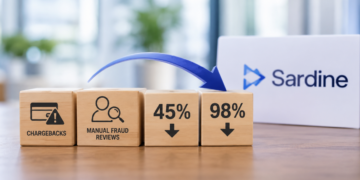
Gift card exchange Raise has cut its chargeback rate 45% and its manual fraud reviews 98% after about three years of using Sardine’s fraud prevention platform, according to a Sardine customer story reported by PYMNTS on October 27, 2026.
Raise’s chargeback rate fell from 0.53% of transactions to 0.29%, or from about one in 200 transactions to fewer than one in 300. Manual reviews had grown to between 15% and 18% of orders, with each review taking from 15 minutes to 24 hours and the team spending more than 10,000 hours a year on them. That share has dropped to 0.25% of orders, which means fewer than three in every 1,000 orders now go to a human reviewer.
Raise connects buyers and sellers across more than 1,000 brands and has processed more than $10 billion in transactions for about 6 million users, according to the case study. Sardine optimized Raise’s rulesets and trained custom machine learning models for gift card fraud schemes. Before the change, tactics such as IP masking, proxy use, and location spoofing were getting through unflagged.
Dartanion Wells, Risk Supervisor at Raise, said in the case study, “Chargebacks were becoming a significant drain on our revenue.”
Why it matters: Raise’s results give merchants selling high-risk digital goods a reference point, since both chargebacks and manual review queues cut into margins and slow down operations. The figures come from a vendor case study, so merchants should treat them as one company’s outcome and compare them with their own baseline.