

By MFJ Staff | Source: PYMNTS, and PR Newswire
Key takeaway: As core banking platforms add native installment options, merchants may see more BNPL-style transactions routed through a customer’s own bank rather than a standalone BNPL provider, changing who owns the dispute and fraud-review process on those purchases.
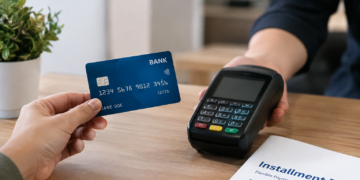
Bank-linked installment payments provider Splitit has integrated with two of Jack Henry’s banking platforms, letting banks and credit unions offer their own installment option instead of losing those purchases to outside buy now, pay later apps.
Splitit announced the integration on September 9, 2026, connecting its platform to Jack Henry’s SilverLake core banking system and Banno Digital Platform through the Jack Henry Fintech Integration Network, according to a company release carried by PR Newswire and reported by PYMNTS.
The integration lets banks and credit unions already running SilverLake or Banno deploy Splitit’s white-label installment product without building new technology of their own, the companies said. On the technical side, Splitit’s debit card installments connect to SilverLake through Jack Henry’s jXchange programming interfaces, which route access through a governed service layer intended to keep data exchange between the two platforms secure and consistent, according to the announcement.
The pitch to banks is defensive as much as additive. When a customer chooses a third-party buy now, pay later app instead of installments from their own bank, the announcement said the bank “loses transaction visibility, fee income, engagement” along with the chance to deepen that relationship. Splitit Chief Technology Officer Ran Landau said banks and credit unions should not have to watch loyal customers turn to outside apps for payment flexibility their own bank could offer directly.
Why it matters: The integration is a sign that core banking vendors are moving to make installment lending a built-in feature of everyday banking rather than a separate checkout add-on from a standalone BNPL provider. That shift could change where BNPL-style purchases, and the disputes and fraud reviews tied to them, ultimately get handled.
Sources: PYMNTS; PR Newswire
